The Ultimate Guide to Cultural Immersion for Travelers
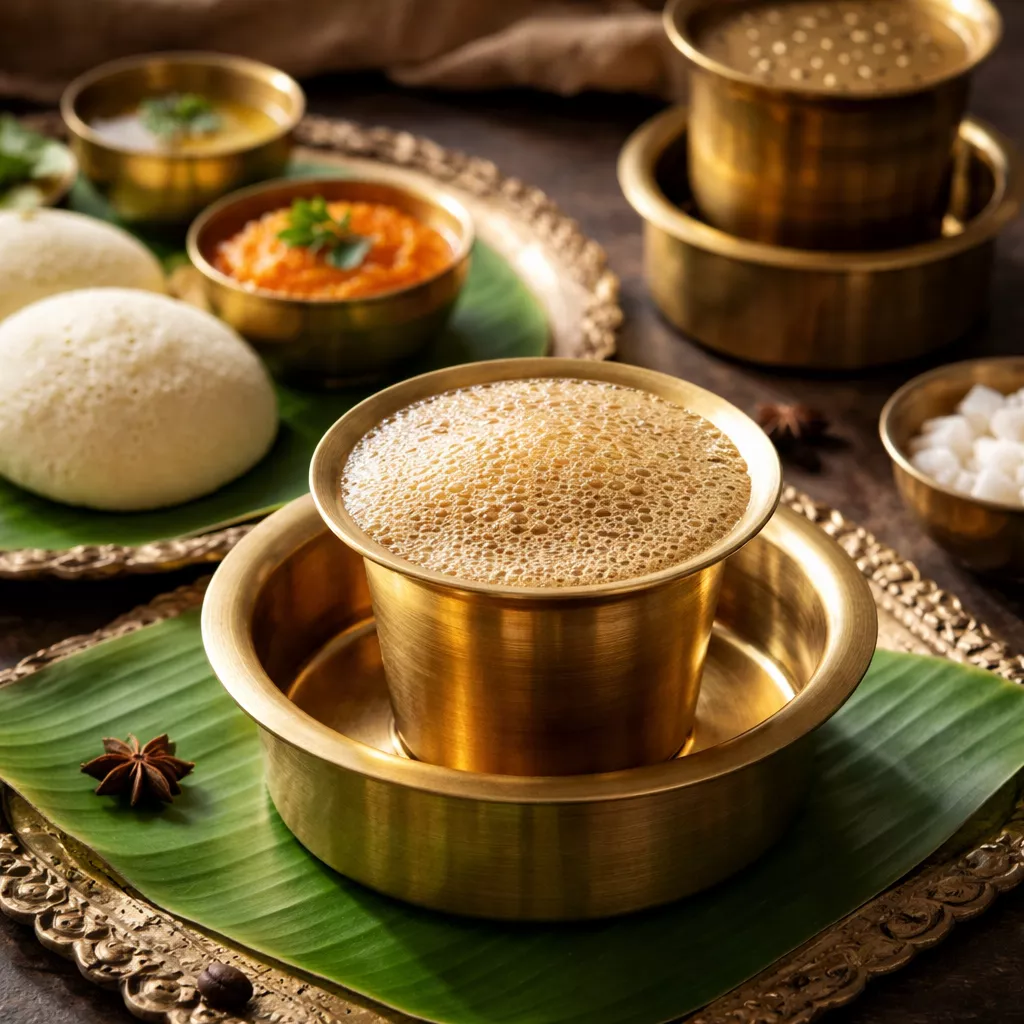
Travel is more than just sightseeing; it is an opportunity to connect with the soul of a destination. True cultural immersion requires stepping beyond the typical tourist experience, engaging with local communities, and embracing traditions in an authentic way. One of the most profound ways to achieve this is through food. Cuisine is not just sustenance—it is a narrative of history, geography, and identity.
Understanding Food as Cultural Immersion
Food is a universal language, a bridge that connects people across cultures. Experiencing food as cultural immersion allows travelers to engage deeply with the traditions and heritage of a place. Every dish tells a story, reflecting centuries of culinary evolution, migration patterns, and societal changes.
Imagine strolling through a bustling market in Marrakech, inhaling the aroma of freshly baked khobz and sizzling tagines, or savoring a bowl of steaming pho at a roadside stall in Hanoi. These are not just meals; they are living expressions of history, passed down through generations. Engaging with food at its source—whether through street vendors, home-cooked meals, or traditional restaurants—unlocks a deeper appreciation of a region’s cultural identity.
How to Taste the Traditions
To truly taste the traditions, one must go beyond the familiar and embrace the unknown. This means stepping outside of your culinary comfort zone and indulging in flavors that may challenge your palate but reward you with authenticity.
One of the best ways to do this is by exploring local markets. These vibrant spaces serve as cultural hubs, where farmers, fishmongers, and spice merchants bring their freshest goods. Observing the way locals select ingredients, interact with vendors, and prepare their meals provides invaluable insight into daily life.
Participating in a cooking class is another immersive way to engage with local gastronomy. Learning how to roll handmade pasta in an Italian trattoria, pounding fresh spices for a Thai curry, or fermenting kimchi in a Korean household deepens your connection to a culture in a way that passive consumption never could.
Dining Like a Local
To truly appreciate a cuisine, one must embrace dining like a local. This goes beyond eating local dishes—it means adopting the customs and etiquette surrounding meals.
In some cultures, meals are communal, meant to be shared with family and friends. In Ethiopia, for instance, injera—a spongy flatbread—is used as both a utensil and a plate, reinforcing a sense of togetherness. In Japan, slurping noodles is not considered rude but rather a sign of appreciation. In the Middle East, refusing a second serving can be seen as impolite.
Being mindful of these nuances enhances the dining experience, allowing for a richer, more respectful engagement with local traditions. Seek out hole-in-the-wall eateries, family-run establishments, and street food vendors rather than mainstream restaurants catering to tourists. Observing where the locals eat and following their lead often leads to the most authentic meals.
Experience Culture Through Cuisine
Beyond just eating, it is important to experience culture through cuisine in a holistic way. Food is tied to history, religion, and seasonal cycles, making it a window into a region’s way of life.
Festivals, for example, offer a chance to witness how food plays a central role in celebrations. In India, Diwali sweets symbolize prosperity and joy. In Mexico, Day of the Dead altars are adorned with pan de muerto, representing remembrance. In China, mooncakes during the Mid-Autumn Festival signify unity and tradition.
Visiting a rural farm or fishing village provides firsthand experience of where ingredients come from. Watching a cheesemaker in the Swiss Alps, harvesting olives in Greece, or foraging for truffles in France transforms food from a passive experience into an active engagement with the land and its people.
Final Thoughts
Cultural immersion is about embracing the unfamiliar and seeking meaningful connections. Engaging with food as cultural immersion allows travelers to gain a deeper understanding of a destination, its people, and its history. Through food, one can taste the traditions, dine like a local, and experience culture through cuisine in a way that transcends words.
By exploring local markets, participating in traditional cooking methods, and respecting dining customs, travelers transform their journeys into rich, unforgettable experiences. Food is more than just nourishment; it is a powerful storyteller, a cultural artifact, and a universal bond that unites us all.