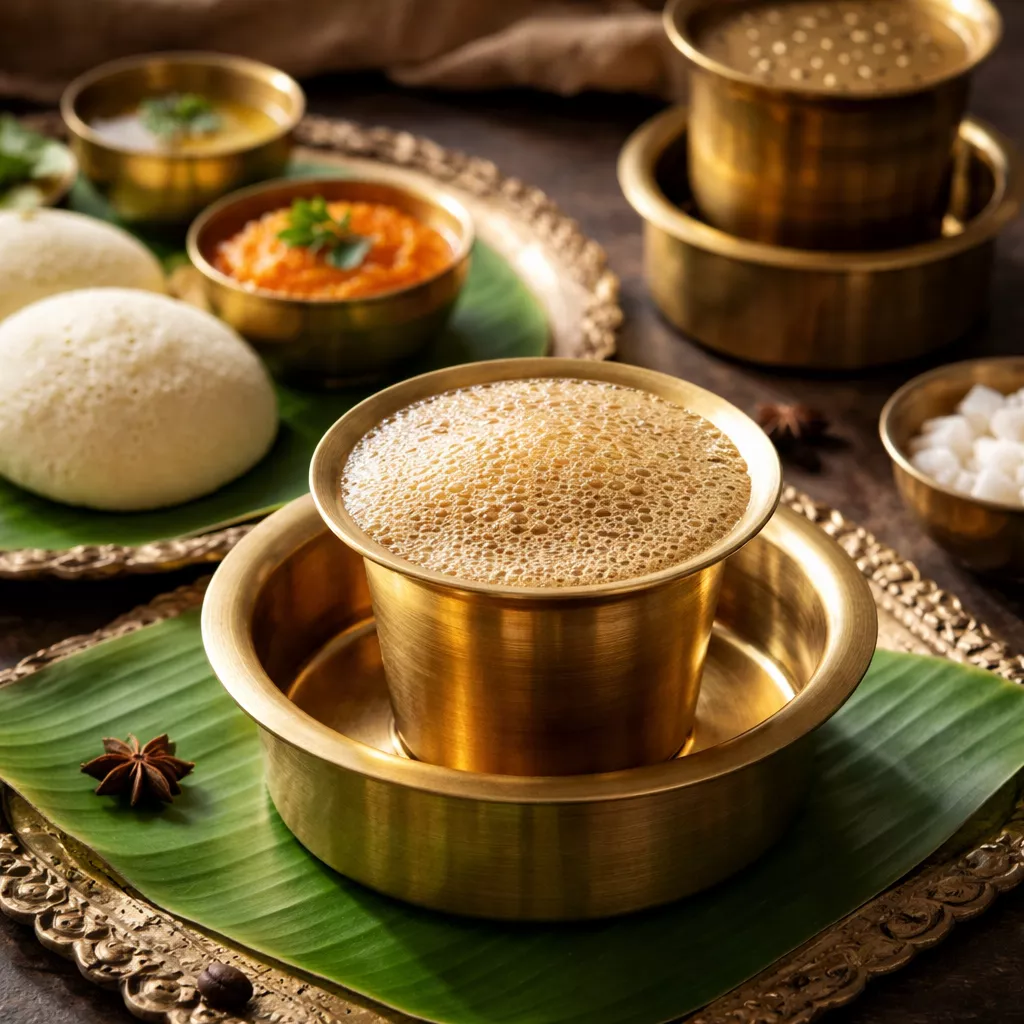
Discovering the Heart of the Community: Unveiling the Magic of Local Traditions
Discovering the Heart of the Community: Unveiling the Magic of Local Traditions

Discovering the Heart of the Community: Unveiling the Magic of Local Traditions
In a world that often feels dominated by fast-paced technology and global connectivity, there’s something deeply enriching about exploring the traditions that define a community. Local traditions are more than just rituals or celebrations; they are the living heartbeat of a culture, passed down through generations and woven into the fabric of everyday life. Whether it’s a centuries-old festival, a unique culinary custom, or a seasonal gathering, these traditions offer a window into the values, history, and identity of a place. For travelers and locals alike, discovering these customs can transform a simple visit into a meaningful journey of connection and understanding.
The Power of Tradition in Shaping Identity
Traditions serve as a bridge between the past and the present, preserving stories and practices that might otherwise fade away. They provide a sense of continuity, linking individuals to their ancestors and to the land they call home. For many communities, these customs are not just about nostalgia; they are acts of resilience and pride. For example, in Japan, the tea ceremony is more than a ritual—it’s a philosophy that embodies harmony, respect, and tranquility. Similarly, in Mexico, Día de los Muertos (Day of the Dead) is a vibrant celebration that honors deceased loved ones, blending indigenous beliefs with Catholic traditions. These traditions are not static; they evolve, yet they remain rooted in the values that define a community’s character.
When we take the time to engage with local traditions, we gain a deeper appreciation for the people who uphold them. It’s an opportunity to see the world through a different lens, one where community, spirituality, and heritage take center stage. Whether it’s participating in a local harvest festival or learning a traditional dance, these experiences foster a sense of belonging and shared humanity.
Why Local Traditions Matter in Today’s World
In an era of globalization, where cultures and customs often blend or get overshadowed by dominant trends, local traditions act as anchors. They remind us of the beauty in diversity and the importance of preserving our unique heritage. For communities, these traditions are a source of pride and a way to assert their identity in a rapidly changing world. For outsiders, they offer a chance to step away from the familiar and immerse themselves in something entirely new.
Moreover, local traditions often hold practical wisdom. Many are tied to the rhythms of nature, reflecting sustainable practices that have stood the test of time. For instance, in rural communities, seasonal festivals often coincide with agricultural cycles, celebrating the land’s bounty and teaching younger generations about stewardship. These customs are not just about celebration—they are about survival and respect for the environment.
Another reason traditions matter is their role in fostering social bonds. Events like village fairs, religious processions, or storytelling nights bring people together, strengthening communal ties. In a time when digital interactions often replace face-to-face connections, these gatherings serve as vital spaces for human connection and emotional support.
How to Experience Local Traditions Authentically
If you’re eager to explore the traditions of a new place, the key is to approach them with an open heart and mind. Here are some ways to ensure your experience is respectful and enriching:
- Do Your Research: Before visiting a community, learn about its most significant traditions. Understanding the background and significance of a custom will help you appreciate it more deeply.
- Seek Guidance from Locals: The best way to experience a tradition is through the people who practice it. Ask locals about their customs, and if they invite you to participate, do so with humility and gratitude.
- Attend Seasonal Events: Many traditions are tied to specific times of the year, such as harvest festivals, religious holidays, or historical commemorations. Planning your visit around these events can provide unforgettable insights.
- Support Local Artisans and Storytellers: Many traditions are expressed through crafts, music, or oral storytelling. Purchasing handmade items or listening to local narratives can help preserve these practices.
- Participate with Respect: While it’s wonderful to immerse yourself in a tradition, always remember to do so respectfully. Follow any guidelines set by the community, and avoid appropriating elements that hold deep cultural significance.
Stories from Around the World: Traditions That Captivate
Every corner of the world has its own unique traditions, each with its own magic. Here are a few examples that highlight the diversity and richness of local customs:
- La Tomatina, Spain: Every August, the small town of Buñol hosts the world’s largest tomato fight, where participants pelt each other with overripe tomatoes in a playful, messy spectacle. The event, which began in 1945, is now a symbol of joy and community spirit.
- Holi, India: Known as the “festival of colors,” Holi is a Hindu celebration that marks the arrival of spring. Participants throw colored powders and water at each other, dance to traditional music, and share sweets. The festival is a celebration of love, unity, and the triumph of good over evil.
- Gion Matsuri, Japan: One of Japan’s oldest and most famous festivals, Gion Matsuri takes place in Kyoto every July. The month-long event features grand processions of floats adorned with intricate tapestries, traditional music, and vibrant street food. It’s a stunning display of Japanese craftsmanship and spiritual devotion.
- Inti Raymi, Peru: The Festival of the Sun is an ancient Inca celebration held in Cusco to honor the sun god Inti. The event includes colorful parades, traditional dances, and rituals that pay homage to the agricultural cycle and the sun’s life-giving energy.
- Up Helly Aa, Scotland: This fire festival, celebrated in the Shetland Islands, is a thrilling spectacle of torchlight processions and Viking-inspired revelry. Participants dress as Vikings, carry flaming torches, and end the night with a bonfire, honoring the islands’ Norse heritage.
Preserving Traditions for Future Generations
While traditions are resilient, they are not immune to change. Globalization, urbanization, and modernization can sometimes threaten the survival of local customs. However, there are ways to ensure these traditions continue to thrive:
- Document and Share: Recording stories, songs, and rituals through books, films, or digital archives helps preserve them for future generations.
- Pass Them Down: Parents, elders, and community leaders play a crucial role in teaching traditions to younger generations. Encouraging participation from a young age ensures these practices remain alive.
- Adapt Thoughtfully: Some traditions naturally evolve to fit modern times. For example, a village fair might incorporate eco-friendly practices or a traditional craft might find new markets online. The key is to adapt without losing the essence of the tradition.
- Support Cultural Organizations: Many non-profits and cultural groups work to preserve local traditions. Supporting their efforts through donations or volunteering can make a significant difference.
Final Thoughts: The Gift of Shared Traditions
Exploring local traditions is like opening a treasure chest of human experience. Each custom, whether grand or humble, tells a story of resilience, creativity, and connection. By engaging with these traditions, we not only enrich our own lives but also contribute to the preservation of the world’s cultural heritage. So the next time you travel—or even in your own backyard—take a moment to discover the magic of local customs. You might just find that the heart of a community beats strongest in its traditions.