Journey Journals: From Sketches to Stories
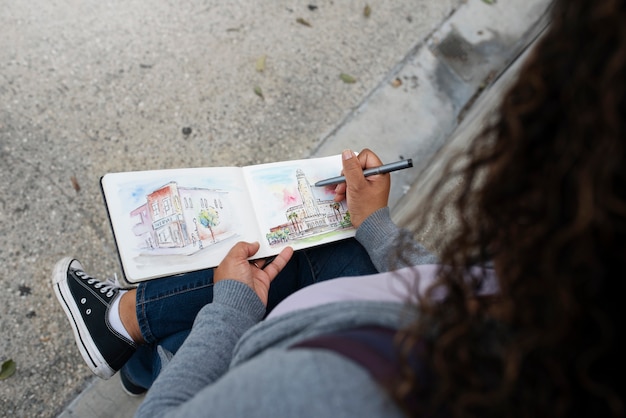
A journey journal is not just a collection of written words—it’s an ever-evolving masterpiece where memories, emotions, and experiences are captured. For many travelers, it’s the visual elements that bring the pages to life. Sketch journey stories become vibrant accounts of the sights, sounds, and feelings encountered along the way. But how do these sketches transform into something more? How can a simple drawing evolve into a full-fledged narrative? The beauty lies in the way travelers creatively transform sketches and convert art narratives into immersive written tales.
The Art of Sketching Your Journey
Sketching is one of the most personal and intimate ways to capture a moment. Whether it’s a bustling street scene, the tranquil view from a mountaintop, or a quirky local market, a sketch can encapsulate far more than a mere photograph. It allows you to focus on details that may be overlooked in the rush of daily life.
A sketch journey story isn’t just about drawing a picture; it’s about preserving the essence of the scene. A line here, a shadow there, or the curves of a landscape—these elements evoke feelings that photos alone cannot convey. As you sketch, you engage your senses and emotions, and you begin to see the world in a deeper, more meaningful way.
Turning Sketches Into Stories
Once the sketch is done, the real magic begins. A sketch is the beginning of a larger story. It serves as a visual prompt to spark creativity, helping you transform sketches creatively into detailed narratives. The lines and shapes you’ve drawn act as a framework for weaving together the sights, sounds, and sensations of the moment.
This transformation can be as simple as adding a few descriptive lines about the place. For instance, you might draw a café where you enjoyed a morning coffee. As you look at your sketch, you start to remember the aroma of freshly baked bread, the chatter of local patrons, and the sound of a busker playing nearby. These memories begin to fill the empty space, giving your sketch a life of its own. You may even include anecdotes or conversations overheard during your time there, letting the narrative flow from the page.
The real art of turning a sketch into a written tale is in the details. Let your imagination roam free as you recall the emotions you felt at that very moment. Was there a breeze that rustled through the trees? Did the sky change colors as the sun set? By capturing these sensory details, your sketches become not just a visual representation but an invitation for readers to experience the moment with you.
Combining Sketches and Words: A Harmonious Blend
The beauty of a journey journal lies in its ability to blend sketches and words seamlessly. The sketches serve as a foundation, while the written word adds depth and context. One enhances the other, creating a richer, fuller experience for anyone flipping through the pages.
For example, a simple sketch of a mountain landscape could be accompanied by a tale of your ascent. Perhaps you write about the challenges of the climb, the sense of accomplishment at the summit, or the sheer awe of the view. Your words will breathe life into the picture, and the picture will ground the words in a tangible way.
When combining art narratives with written tales, you don’t need to be a professional artist or writer. The key is to let the creativity flow naturally, allowing the journey itself to guide your pen and pencil. It’s not about perfection—it’s about expression.
A Personal Record of Growth
One of the most remarkable aspects of blending sketches and stories in your travel journal is that it reflects your personal growth as a traveler. You’ll notice how your art and writing evolve over time. Perhaps early sketches are simple, yet as your confidence grows, so does your ability to capture more intricate details. Your narratives, too, will become richer and more nuanced, reflecting your increasing awareness and understanding of the world.
This personal record of growth is valuable not only as a keepsake but also as a tool for reflection. Looking back on how your sketches and stories have developed can show you how far you’ve come as both an artist and a storyteller. It also reinforces the importance of documenting experiences in a way that is deeply personal and reflective.
A journey journal is more than just a diary—it’s a place where memories are preserved in a unique and artistic way. By sketching journey stories, travelers can create a powerful visual record of their experiences. But the true magic happens when those sketches are transformed creatively into rich, vibrant written tales. This blend of art and narrative not only enhances the journey itself but also makes it possible to relive those moments long after the trip has ended. So, next time you embark on a new adventure, bring along your sketchbook and let your creativity turn fleeting moments into lasting memories.